
喜樂和希望的聖言
復活主日- 甲、乙、丙年
福音:若望福音:20:1-8
Fernando Armellini 神父的講道
一周的第一天,清晨,瑪利亞·瑪達肋納來到墳墓。那時候,天還是暗的,她看到墓口的石頭被移開了。於是,她跑到西滿伯多祿和耶穌所愛的另一個門徒那裡,給他們說:“他們把主從墳墓裡拿走了,我們不知道他們把祂放在哪裡了。”
祝大家復活節快樂!
在今天的福音經文,我們會找到三個人物。他們是與耶穌建立深厚愛慕關係的三人。他們對耶穌的愛慕,不是如同晨雲一般,太陽升起,轉瞬即逝的迷戀。也不是朝露一般,在黎明時分,消逝不見的愛戀。不。他們與耶穌的關係,是一種深刻的,改變他們一生的關係。他們之所以擁戴耶穌,是因為他們知道,耶穌是一個正走向成功之路的非凡之人。但是,他的一生,以戲劇性的方式,畫上了句號。祂被政治掌權者和宗教掌權者處決。這就是納匝肋人耶穌的悲慘結局,卻以不同的方式,影響了那些曾經認識祂的人,因為他們之間的關係,已與往常不同。很多百姓,不論是在加里肋亞,還是在耶路撒冷,他們都因祂是正直的,祂所表達出的愛,祂的道德觀,祂所宣講的崇高資訊而欽佩祂。這些人為祂的死感到遺憾,並深表哀悼。這些人欽佩納匝肋人耶穌,但是,欽佩和愛慕完全不同。只有一群門徒真的愛慕祂,甚至冒著生命危險愛祂。
在今天的福音經文中,聖史給我們介紹了其中三個。他們心中存有的疑問,不難想像。他們是愛耶穌的人,他們對與耶穌培養的深厚之愛,是否已經永遠消逝了。愛能隨著死亡消逝嗎?
在我們剛才讀過的經文中,其中三次提到“墳墓”。在這段經文,我們將會第四次聽到“墳墓”一詞。在希臘語,’sepulchre’ 與 ‘menemion’ 同義,意思是“記憶”墳墓是一種記憶。每個走向墳墓的人,不可避免的會想起那個在那裡的人。那人還留下什麼?我們所愛的那人,還留下了什麼?僅僅只有記憶嗎?我們這個佔有主導地位的墳墓擺在前面,因為我們要在那裡找到今天福音中提到的三個人物。我們蒙召直面這些挑戰,看看我們是否和他們一樣,深深愛著納匝肋人耶穌。如果我們愛祂,我們不能幫助他們,但是,我們也能問問自己:我們是否和這三個人物一樣,有著相同的問題。我們也會問:納匝肋人耶穌到底去了哪裡?讓我感到好奇的是:祂是否永遠的離世了 ……讓我們和這些人物一起提出這個問題。
首先出現在場景中的,是瑪利亞·瑪達肋納。一個被耶穌治好的女性。黎明時分,她來到墳墓,那時候,天色還是暗的。這好像有些矛盾:黎明時分,天還是暗的。這種黑暗有著象徵意義。猶大離開晚餐廳的時候,籠罩晚餐廳的,正是這樣的黑暗氣氛。聖史若望指出:猶大離開晚餐廳,交出耶穌的時候,正是黑夜。這與真光與世界的黑暗鬥爭,休戚相關。聖史若望在他所寫的福音書開頭處寫道:“真光來到世界,那啟迪世人的真光,來到世界。光在黑暗中照耀,黑暗無法戰勝光。”(參看:若1:9,5)
接著,聖史提到尼苛德摩,耶穌說:“光來到這個世界,人們喜歡黑暗,勝過喜愛真光。他們的行為是邪惡的。”再後,耶穌自稱:“我是世界的光”(參看:若8:12)祂是世界的生命。這就是復活節的黎明,黑暗依然籠罩世界的意義所在。
此處的黑暗具有象徵含義:它是生命戰勝死亡的象徵和記號。這也是瑪利亞·瑪達肋納內心黑暗的真實寫照。是什麼問題讓她感到憂慮:這樣的熱愛關係,為什麼就這樣結束了呢?在這復活節清晨,這樣的黑暗,開始消散,一束真光出現,使人看見。漸漸的,你開始明白。事實上,動詞“去看見”在這段經文中很重要。
這三人在墳墓裡看到了什麼?按照我們的語言,能表達“去看見”的動詞只有一個,但是,我們在希臘語中,能發現三個可以用來表達“看見”的動詞,但是,意義不同。
我們也能發現:在墳墓前的這三人,他們的視角有著細微的不同之處。瑪利亞·瑪達肋納看到了什麼。在這裡所用的動詞是:’blepo’ 意思是:去看,去觀察。她來到墳墓面前,用物質的眼睛去觀看。她看到了所有人都能看到,可被驗證的事物:石頭從墳墓滾開了。要記得:石頭使生者世界與死者世界隔開。耶穌曾在拉匝祿的墓前說:“把石頭拿開吧。”(若11:39)在這裡,瑪利亞·瑪達肋納來到墳墓那裡的時候,她親眼見證了一個歷史事件:那塊石頭移開了。有人把她移開了;有人打開了墳墓 …… 但是,瑪利亞·瑪達肋納並不知道是誰做了這事。這就是具體化的事實。對這個事實,有很多種解釋:是敵人做的,是反對耶穌的人,從來沒有人否認填寫這個事實。墓口的石頭,已被移開,耶穌的遺體,不在原處。對這個事實的解釋,也是多種多樣的。整個故事,圍繞著這座空墳展開的。在墳墓裡,應該有屍體的,屍體卻不見了。
瑪利亞·瑪達肋納所代表的是誰呢?她所代表的是門徒,不過是那些真正愛耶穌的門徒;真正願意使自己的生命與耶穌的生命共融的門徒,就是那些深入共擔耶穌所做選擇的門徒,就是那些內心深處,從不輕言放棄耶穌的門徒。她就是那個說:沒有祂,我的生命,就沒有任何意義,我的生命,不能沒有祂的門徒。如果我們沒有對基督懷有這樣的熱忱,這意味著:我們和祂之間的關係,依然是膚淺的,只與祂沾邊。這就意味著:真正吸引你的,是其他人,或其它事物。他們對此深信不疑:他們把自己的生命交托給耶穌,如果祂不在人世,他們的生命,就失去了意義。這意味著:他們真的愛上祂;不只是對祂表示欽佩,而是因為祂是在那個時代,一個舉足輕重,在世界的歷史上留下深深印記的人。與祂墜入愛河,又是另一回事。
我們在瑪利亞·瑪達肋納身上看到,正是這點。她不能沒有祂。那麼,她做了什麼?她跑了。週六之前,一切都很平靜。但是,一切都開始動了起來。瑪達肋納跑了起來。不久以後,我們會看到伯多祿和另一個門徒,他們也奔向墳墓。她跑去見西滿伯多祿,以及耶穌所愛的另一個門徒,就是耶穌的朋友,她對他們說:“他們把主從墳墓那裡拿走了,我們不知道他們把祂放在哪裡了。”對基督的愛,不是個人主義,而是以親密和私密的方式體現出來的。瑪利亞·瑪達肋納表達出來的情感告訴我們:她屬於團體,她不獨自尋找那關乎我們生命的答案。她與兄弟們一起探詢。瑪利亞·瑪達肋納對這樣的探尋做出了自己的貢獻;她向門徒們分享了自己看到的一切。這就是聖史做出的第一個解釋。這是所有人都能驗證,都能嘗試做出的解釋:“他們把祂拿走了。”接著,瑪利亞·瑪達肋納離開了場景。
現在,讓我們來聽,伯多祿,當他聽到瑪利亞·瑪達肋納的話以後,是如何進行回應的:
於是,伯多祿和另一個門徒,他們出去,到墳墓那裡去。他們都跑著去,但是,另一個門徒跑得比伯多祿快,先來到墳墓那裡,他俯身看到了在那裡的殮衣,但是,沒有進去。
我們遇見了瑪利亞·瑪達肋納以後,現在,我們遇到了那兩個深愛耶穌的門徒。我們對其中的一個很瞭解,他是伯多祿。第二個沒有提到名字的門徒。在傳統上常把他認作是聖史若望,若望由於謙遜,不願把自己的名字貼在耶穌所愛,特別寵愛的那個門徒身上。毫無疑問:聖史若望的形象與這個耶穌所愛的門徒形象,完全相符,但是,我們必須保持福音的原貌,無名。聖史的目的,顯然是邀請我們:把我們的名字貼在那個緊緊挨在耶穌身邊的門徒身上,與那個門徒在一起,直面愛我們的耶穌。
在若望福音,這位門徒,常以某種形式,與伯多祿有關。他比伯多祿更早登場。他是洗者若翰的門徒之一,他們從看到洗者若翰指出耶穌就是天主的羔羊的時候,就跟隨了祂。他們問耶穌:祂住在哪裡,想要和祂共度那晚。為他們而言,與基督相遇,意味著新的一天,嶄新的生命開始了。那個沒有名字的門徒,那個耶穌所愛的門徒,在伯多祿以前,先到了墳墓。他代表了那些一找到耶穌,立刻感覺自己被包容在這種熱愛的關係中的人。然後,在最後晚餐的時候,再一次提到這個門徒,那時候,耶穌宣佈:十二門徒中間,有人要把祂交出去,伯多祿不知道如何分辨:誰是站在耶穌一邊的,誰是那個背叛救主的,因此,他要求這個門徒請耶穌講出背叛耶穌的是哪個門徒。 伯多祿不知道如何分辨:那個是耶穌所愛的門徒, 卻能立刻認出:誰是反對這個新人,這個新世界的人。再後,耶穌受難的時候,有勇氣追隨救主,進到大司祭的家的,就是這個門徒。儘管伯多祿有嘗試過追隨救主 …… 但是,他否認祂。相反,耶穌所愛的那個門徒,耶穌受人鼓掌的時候,他有勇氣在場,耶穌開始受人騷擾的時候,他也有勇氣在場。 為今天的我們而言,這是當下流行的資訊。那個耶穌所愛的門徒,即使耶穌不再受人擁戴,他依然愛著救主,常對這愛保持忠信。接著,他出現在加爾瓦略山上。伯多祿不在哪裡,只有耶穌所愛的門徒在那裡。他不是若望。聖史說:若望和別的門徒都逃走了。因此,那個耶穌所愛的門徒,出現在加爾瓦略,跟隨耶穌到底,直到祂完全獻出生命,遵循那為愛獻出自己生命的納匝肋人耶穌提出的新人建議。耶穌所愛的門徒也在那裡。
接下來,是我們今天的經文。耶穌所愛的門徒在伯多祿之前,先來到墳墓。那無法抑制的,他對耶穌的愛和熱忱,令他動容。稍後,他會在加里肋亞,再次出現;在伯多祿之前認出復活之主的,就是這個門徒。他對伯多祿說:那個在岸上的人就是救主。最後,當復活的主對伯多祿說:“跟隨我”的時候,這個耶穌所愛的門徒也在場,伯多祿卻猶豫不決,注視著這個耶穌所愛的門徒,因為他知道,他與救主的關係,必須取法於這個耶穌所愛的門徒與主的關係。他是真正門徒的代表。
現在,讓我們來看今天福音經文的敘述。穌所愛的門徒來到墳墓的時候,他做了什麼?他俯身觀看。在這裡所用的動詞與瑪利亞·瑪達肋納所用的動詞相同。觀看:一種物理上的觀看。他所看到的與之前瑪利亞·瑪達肋納看到的一樣,沒有別的東西。他看到那裡有殮布,但是,沒有進去。想要理解這一點,就必須談談那時候的墳墓。正如圖片所示的那樣。
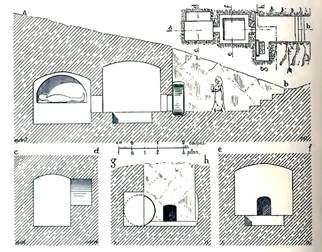
你們所看到的是與耶穌同時代的墳墓。在入口的地方,有兩個地方,一個是前廳,另一個地方,讓我們感覺很有意思:它呈拱形。耶穌就被擺在和你所見很相似的地方。耶穌就被安放在那裡。
耶穌所愛的門徒,他看到了什麼?他看到了瑪利亞·瑪達肋納看到的事物,事實上也用了相同的動詞;他也看到了裹屍布。它們不是埃及人製作木乃伊所用的纏帶。不是的。希伯來人只用一件長約四米,寬約一米的袍子把屍體裹起來,他們把布折起來,蓋在那人身上,再用三條繃帶,把這布固定在人身上,一條繃帶裹在脖子上,另一條繃帶裹在中間,還有一條繃帶裹在腳踝。這就是他們埋葬死人的方法。經文說:這個門徒看到了布條。在這裡所用的希臘動詞是:’kéimena’ – ‘keimai’ 意思是:洩氣。之前,屍體在那裡的時候,那布是腫脹的。現在,它恢復了原狀,而且好像被放了氣一樣,皺巴巴的。所有的一切都在原位上,只有屍體不見了。衣服散落了一地。
那個耶穌所愛的門徒,就是那個率先認出那個包裹丈夫丘腦衣服的門徒,按照若望福音所載,那些布,依然散發著尼苛德摩和阿黎瑪特雅人若瑟埋葬耶穌時所用香料的馨香。他們帶來了一種混合了沒藥和蘆薈的香料,重達100磅……即45公斤的香水。這是一件巨大的事件,具有極其重要的神學含義。這些熱愛基督的門徒, 在耶穌身上認出了那個舍掉自己生命的丈夫;祂的愛,如此深切,致使祂徹底奉獻了自己。這就是門徒們把香水倒在那衣服上的意義所在。因此,這個門徒看到了死亡的徵兆。
這是教會美好的形象:這個門徒沒有進去,而是等伯多祿來。這就是我們的教會。挑戰在於:在一個如此多元化的群體中:有些人跑了,有些人更熱愛耶穌,來得很早,還有的一些人,來得很遲,但是,他們知道,需要等待,彼此尊重。那個先抵達的門徒,等著伯多祿。他想先到那裡,先得到這些問題的答案:我們所愛的那人在哪裡?現在,伯多祿也來了。
西滿伯多祿隨後來到,那時候,他進到墳墓,看到在那裡的裹屍布,以及遮蓋祂頭的頭巾,沒有和裹屍布卷在一起,而是被放在另一個地方。那個先來的門徒也進去了,他看見了,就相信了。因為他們不知道聖經所說:祂要從死者中復活的含義。門徒們就回家了。
隨後,伯多祿跟著耶穌所愛的那個門徒,來到了墳墓。他凝視著散落在地上的裹屍布,也就是那已經洩氣的裹屍布。但是,在這裡所用的動詞,不再是’blepo’,即觀看眾人看到的,而是在用一個動詞:“凝視”(contemplate),沉思,愕然注視、反思每個人所觀察到的事物。換言之,伯多祿使那些他與耶穌共度的三年記憶和他聽到的言語浮現出來,他開始看到那些超越物質層面,超越可驗證範圍的事物。那種熱愛,使他被基督所吸引,開始發揮作用,正是這愛,使他得以洞悉奧秘。他所看到的,不再是虛偽的裹屍布。而且,包裹耶穌的頭巾,沒有和那裹屍的布緊緊貼在一起,而是分開,單獨放在一個地方。這個裹屍布是什麼?那是系在死者頭上用來封住其口的手帕。它已被弄彎了。希臘語動詞是entulizo,其含義為包裹,如盤繞。這裹屍布並沒有像亞麻布那樣卷起來,而是仿佛一直保持包裹耶穌頭部的形狀。
正如金言聖若望所言,這兩位門徒,在那個時候,他們的直覺告訴他們:如果是盜賊偷走了耶穌的屍體,他們決不會剝去屍體上的衣服,也不會費心把裹屍布折好,把它們有序地放好。
耶穌所愛的門徒,再次進入場景。他跟在伯多祿後面,也進到墳墓,經文說:“他看到了,就開始相信了。”在這裡,是第三個“看”的動詞:’orao’,洞察那可驗證之物,窺探神秘之處,對超越感官所能驗證範圍之物的凝視。耶穌所愛的門徒開始相信了。
這是通往信仰之路的開端,為我們而言,也是如此。面對死亡的徵兆,你開始意識到生命的得勝。空空的墳墓,布條,被折好的裹屍布都向我們提出了問題:但是,它們沒有強迫我們相信;它們不是復活的證據。它們是含糊不清,可以對它們進行多重解讀的記號。
聖史若望說:這就是信仰的道路,你必須採用這三種理解方式,理解它,這樣的話,才能真正理解它。從那些可驗證的開始,然後開始反思你看到事物,但是,最後一步,不可使自己受到理性的支配,而是藉著理性和愛來理解。真正的信仰,並不是否認理性,不然的話,它將是一種非常天真的信仰。真正的信仰,超越理性。愛不限於理性,而是更進一步。因此,不可把信仰強加於人,也正因為如此,這信仰才被世人以不同的方式所接受,因為愛在其中發揮了作用。
事實上,我們注意到:這個耶穌所愛的門徒,他已開始對此深信不疑,但是,他沒有試圖去說服伯多祿。而且,他沒有言明,因為信仰是個人層面的。門徒們用愛的眼光來解讀這些事情。
這三位人物代表了基督徒團體的不同成員。每個人,都以其獨有的方式,為逾越節慶典的發現貢獻了自己的一份力量。他們都熱切地尋求信仰,在疑惑中辯論,擁有不同的直覺,卻始終保持共融。一旦有人發現了真光,就會與兄弟姐妹們分享。伯多祿是個遲鈍、笨拙的門徒,總是遲遲才能理解神跡,遲遲才能聽到救主的聲音,遲遲才能認出復活的主。他所代表的是那些愛主的門徒,但是使自己深陷於對聖經的不理解,他們所堅守的傳統觀念,他們所固守的信念的困境中,那個耶穌所愛的門徒,滿懷熱忱愛耶穌,敏銳的從徵兆中發現事實。他所代表的是那些在團體中受愛的指引,迅速相信復活之主,認為信仰會改變人的生命的人。在這三人中間,瑪利亞·瑪達肋納,是第一個能清晰看到復活之主的人,因為她對耶穌的愛,勝過其他兩人。是她奔相走告,是她向所有人宣報她所愛的耶穌,讓她發現的事實:’Ἑώρακα τὸν Κύριον’ – ‘Eokara ton Kyrion’ “我看到了主!”在這裡所用的希臘動詞是:’orao’(參看:若20:18)這個動詞超越了理性範疇,瑪達肋納並沒有說她已經“看見了耶穌”,她看到了“主”,她沒有看到祂回到這個世界;她以愛賦給她的眼睛,看到祂在天主的世界中復活了。
我祝各位復活節快樂。
© 全屬於祢 & 樂仁出版社(中國香港)
Cum Approbatione Ecclesiastica 2026

 全属于祢
全属于祢 
您必须登录才能发表评论。